

Table of Contents
If you’ve ever dipped a crunchy cookie into your coffee and smiled with satisfaction, there’s a good chance you’ve enjoyed something like бишкоти ди Прато. These traditional Italian biscuits have been around for centuries and are still loved all over the world today.
Crunchy, lightly sweet, and filled with whole almonds, бишкоти ди Прато (also known as biscotti di Prato in Italian) are more than just cookies. They’re a part of Italy’s food culture, passed down through generations. Whether you already love them or have never tried one, you’re about to discover why this little biscuit is such a big deal.
This article will guide you through the delicious and interesting world of бишкоти ди Прато — where they come from, how they’re made, how to enjoy them, and why so many people treasure them.
Let’s explore everything there is to know about бишкоти ди Прато!
What Are Бишкоти ди Прато?
The name бишкоти ди Прато means “biscuits of Prato.” Prato is a beautiful town located in Tuscany, Italy. These biscuits are also commonly known as biscotti, although that word in Italian just means “cookies” in general.
бишкоти ди Прато are twice-baked Italian almond cookies. This double-baking method is what gives them their famous hard and crunchy texture. They’re typically made from simple ingredients like flour, sugar, eggs, and almonds—but the result is a delicious treat that’s perfect for dipping.
Because they are dry and firm, бишкоти ди Прато are most often enjoyed with drinks like coffee, tea, or sweet dessert wines. The liquid softens the cookie just enough to create the perfect bite.
A Quick Look at the History
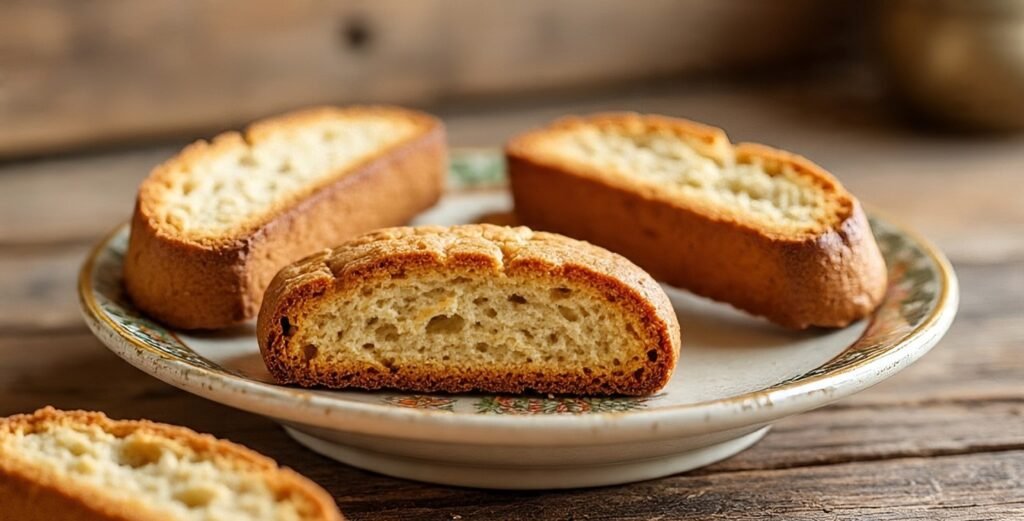
These amazing cookies have their roots in the Tuscan town of Prato, going back as far as the 14th century. They were likely created as a smart solution to a common baking problem: how to make bread or sweets last a long time.
Since бишкоти ди Прато are twice-baked, they have very little moisture. This means they can last for weeks without going bad, making them perfect for travelers or for storing in pantries.
The most famous modern maker of these cookies is the Antonio Mattei bakery, which started making them around 1858. Their version of бишкоти ди Прато became so popular that people all over Italy—and even in other countries—began baking them at home or selling versions in shops.
What Makes Бишкоти ди Прато Special?
There are many kinds of cookies, but бишкоти ди Прато stand out for a few key reasons.
First, they are baked twice. After the dough is baked into a big loaf, it’s sliced and then baked again. This second baking gives the cookies their crunch.
Second, the use of whole, unpeeled almonds adds texture and flavor that you won’t find in regular cookies. Every bite has a satisfying nutty crunch.
Third, there are no artificial flavors or creamy fillings. These cookies are simple, elegant, and made with care. Because of their light sweetness, they pair perfectly with other foods or beverages without being too rich or overpowering.
People don’t just eat them as snacks—they serve them at celebrations, give them as gifts, and share them at family tables.
Simple Ingredients, Big Flavor
You don’t need much to make delicious бишкоти ди Прато. In fact, their beauty lies in how basic the recipe is.
Here’s what you typically need:
- All-purpose flour
- Sugar
- Eggs
- Whole almonds
- Baking powder
- Optional lemon zest or vanilla for flavor
That’s it. No butter. No oil. No chocolate chips (unless you want to customize them). The dough is rolled into logs, baked once, sliced, and then baked a second time until golden and crisp.
Because the ingredients are so simple, the quality matters a lot. Fresh eggs, sweet almonds, and good flour make a big difference. If you ever make them at home, try to use high-quality, whole almonds for that classic crunch.
Twice-Baked: What Does That Mean?
The term “biscotti” in Italian comes from the Latin word bis coctus, which literally means “twice cooked.” That’s exactly how бишкоти ди Прато are made.
Here’s how the process works:
- Mix the dough and shape it into long logs.
- Bake the logs until they start to turn golden.
- Let them cool just a bit.
- Slice the logs into cookies while still warm.
- Lay the slices flat and bake them again until they’re dry and crisp.
This second bake is what makes them so crunchy. It also dries them out, so they don’t spoil quickly and stay crunchy for weeks.
That long shelf life is one reason these biscuits became popular centuries ago—they were the perfect sweet for long trips or storing away without the need for fridges.
Where Are Бишкоти ди Прато Traditionally Eaten?
Today, these cookies are popular all over Italy, especially in Tuscany. But they’ve also become famous around the world, especially in coffee shops and bakeries that serve “biscotti.”
Traditionally, Italians enjoy бишкоти ди Прато with a glass of Vin Santo, a sweet golden Tuscan dessert wine. The crunchy cookie softens just enough as it soaks up the sweet wine. The flavor combination is perfect.
In other places, they’re often served with espresso or cappuccino. People also pair them with tea or even hot chocolate. Some enjoy them plain as a quick snack that doesn’t make a mess.
Whether in a small Italian café or a home kitchen in another part of the world, these cookies offer a taste of tradition everywhere they travel.
Variations of Бишкоти ди Прато
Classic бишкоти ди Прато include only almonds. But that hasn’t stopped bakers from experimenting with fun twists and exciting variations.
Common add-ins include:
- Pistachios or hazelnuts instead of almonds
- Dried cranberries, raisins, or cherries
- Chocolate chips or white chocolate
- Orange or lemon zest
- Almond or anise extracts
- A half-dip in melted chocolate
If you’re making them at home, you can change the ingredients to fit your taste. Personalizing the recipe is part of the fun.
Just remember: If you’re making them the traditional way, keep the mix-ins minimal so the biscuit can still bake well during both trips to the oven.
How to Eat Бишкоти ди Прато
There’s no wrong way to eat бишкоти ди Прато, but here are some popular ideas:
- Dunk it in coffee or tea for a soft bite
- Dip it in milk for a kid-friendly treat
- Enjoy it with dessert wine, the classic Italian style
- Serve with cheese and fruit for a light after-meal snack
- Crush them over yogurt or ice cream for added crunch
Because they’re firm, they’re especially good for dipping. The biscuit holds together well even after soaking up liquid, giving your bite a soft outside and crunchy inside.
If you’re eating them plain, take your time and enjoy the nutty flavor and handcrafted texture in every bite.
Can You Make Бишкоти ди Прато at Home?
Yes, you can! While it takes a little extra time because of the double baking, the recipe is easy enough for beginners.
Here’s why home bakers love making бишкоти ди Прато:
- No butter means they’re dairy-free
- One batch makes a lot of cookies
- The shape is simple and rustic
- You can store them for weeks in a jar
- They make great homemade gifts
Once you get the hang of it, you can make variations and impress guests with a traditional Italian treat made in your kitchen.
There are many step-by-step recipes online, and the best part is how good your house will smell while they bake.
Are Бишкоти ди Прато the Same as Biscotti?
Yes—and no. In Italy, the word biscotti just means “cookies.” But outside of Italy, biscotti usually refers to the twice-baked almond cookie — which is exactly what бишкоти ди Прато are.
The name бишкоти ди Прато comes from Prato, the Tuscan town where this specific version was invented. So all бишкоти ди Прато are biscotti, but not all biscotti are бишкоти ди Прато.
The original version includes:
- Whole almonds
- No butter
- Twice baked
- Crisp and firm texture
Many modern biscotti have butter, chocolate, or added oils, which make them softer. That’s why the traditional recipe stands out—it’s rustic, natural, and made to last.
Are Бишкоти ди Прато Healthy?
Compared to frosted cookies or buttery cakes, бишкоти ди Прато are a lighter option.
Here’s why:
- They contain no butter or oil
- They use almonds, which are high in protein and healthy fats
- Each cookie gives you a crisp, satisfying snack without too much sweetness
- They’re lower in sugar than many other sweets
- Their small size makes portion control easier
That said, they’re still a treat. Enjoy them in moderation, and they can be part of a balanced diet.
Some people even enjoy them after workouts as a small snack with coffee or tea, especially if made with whole wheat flour or alternative sweeteners.
Where Can You Buy Бишкоти ди Прато?
You can find biscotti—in many forms—in most grocery stores and coffee shops. But for true бишкоти ди Прато, look for:
- Italian bakeries
- European food stores
- Specialty high-end grocery chains
- Online artisan retailers
- Shops carrying Antonio Mattei products
If you want the closest match to the real thing, seek out Tuscans brands like Mattei. Their signature blue bag is famous across Italy.
If not, check for versions labeled “biscotti di Prato” or “Italian almond biscotti” without added butter or chocolate for a more authentic taste.
FAQs
1. What does бишкоти ди Прато mean?
It means “biscuits of Prato.” Prato is a city in Tuscany, Italy, where these cookies were invented.
2. Are these the same as regular biscotti?
They are a specific type of biscotti. Unlike softer or flavored biscotti, бишкоти ди Прато are made the traditional way—with just almonds, eggs, sugar, and flour.
3. Can I freeze them?
Yes. They freeze well. Let them cool fully, then pack in airtight containers or freezer bags.
4. Are they gluten-free or vegan by default?
No. бишкоти ди Прато usually have flour and eggs. But there are gluten-free and vegan versions you can make using substitutes.
5. How long do they stay fresh?
If stored in a dry, sealed container, they can stay fresh for two to three weeks.
6. What can I serve them with?
Coffee, tea, Vin Santo wine, or even alongside fruit and cheese. They’re versatile and elegant.
Final Thoughts
The beauty of бишкоти ди Прато lies in their simplicity, history, and flavor. With just a handful of ingredients and centuries of tradition, these crunchy almond cookies have traveled from Tuscan homes to tables across the globe.
Whether you dunk them in sweet wine or simply enjoy them as an afternoon snack, one thing is sure—you’re sharing in a piece of Italian culture.
So the next time you want a special treat with your coffee or a homemade gift that shows care, remember бишкоти ди Прато.