

Table of Contents
Have you ever heard of žižole? If not, you might be missing out on one of the healthiest and most delicious little fruits in the world. Sometimes called the jujube, Chinese date, or red date, žižole have been enjoyed for thousands of years. They’re small, round, and start off green like an apple before turning brown and wrinkled like a dried date. People love žižole for their sweet taste, chewy texture, and impressive health benefits. Whether you eat them fresh, dry them for snacks, or add them to tea, žižole are packed with goodness. In this easy-to-read and fun guide, we’re going to explore everything you need to know about žižole. From growing them in your backyard to the vitamins inside each bite, you’ll find out why this fruit is a favorite in many countries. By the end, you might want to plant your own žižole tree—or at least try one if you haven’t already! Let’s dive into the sweet, simple world of žižole.
What Are Žižole?
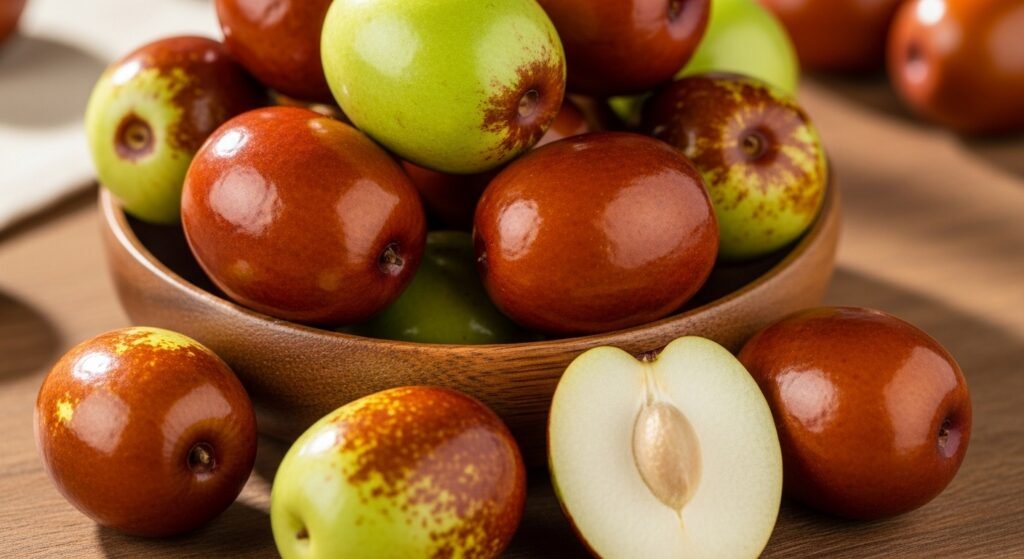
Žižole are small, oval-shaped fruits that come from the Ziziphus jujuba tree. In English, they’re often called jujubes or Chinese dates. They grow on a medium-sized tree with green leaves and thorny branches. These fruits start off green and crisp but turn reddish-brown and soft when ripe. You can eat them both fresh and dried, and each version tastes a little different. Fresh žižole are crunchy, sweet, and slightly tangy—kind of like an apple. Dried žižole are chewy, richer in flavor, and even sweeter. Many people love them as a healthy snack, especially in Asia, the Mediterranean, and even the Balkans. That’s why you may hear different names for žižole depending on where you’re from.
Where Do Žižole Grow?
Žižole trees can grow in many parts of the world, but they are most common in warm, sunny places. Originally, žižole came from China, where they’ve been used for food and medicine for thousands of years. Today, people also grow žižole in countries like Italy, Croatia, India, Iran, and the United States. These trees love hot summers and mild winters, which is why they’re popular in Mediterranean-style climates. They need good sunlight and well-drained soil to grow their best fruit. Some gardeners even grow žižole in pots on balconies or patios. One cool thing about žižole trees is that they are tough and easy to care for, making them great for anyone who wants to grow fruit at home without too much work.
How Do Žižole Taste?
If you’ve never tried a žižola before, imagine something between an apple and a date. When the fruit is fresh and greenish, žižole are crisp and juicy, with a mild, apple-like flavor that’s slightly tart. As the žižole ripen and turn red, the taste becomes much sweeter. When fully dried, they’re wrinkled like a raisin or date and have a rich, chewy texture with even more concentrated sweetness. Many people enjoy them dried as a snack, much like you’d eat dried berries or apricots. You can also rehydrate them in warm water or tea for a softer bite. Some compare dried žižole to candy — but without all the sugar and chemicals!
Health Benefits of Žižole
One of the best things about žižole is how good they are for your health. Don’t let their small size fool you—these fruits are packed with vitamins, minerals, and antioxidants. Žižole are rich in vitamin C, which helps keep your immune system strong and your skin healthy. They also contain potassium, iron, and lots of dietary fiber. If your stomach feels upset, žižole can help with digestion, especially in their dried form. In many parts of Asia, people drink žižole tea to help with relaxation and sleep. Some studies even suggest that žižole might help with stress, boost energy, and support brain health. Eating just a handful of žižole a few times a week can be a tasty way to support your body naturally.
Fun Ways to Eat Žižole
There’s no wrong way to enjoy žižole, which is part of what makes them so fun. You can eat them fresh as a snack—just wash and bite! Or you can slice them up and add them to salads, oatmeal, or yogurt. Dried žižole are even more flexible. You can eat them alone, mix them with nuts and seeds for a healthy trail mix, or chop them into baked goods like muffins and cookies. Some people boil dried žižole with slices of fresh ginger and honey to make a soothing drink. In Asia, they are often added to soups, stews, and rice dishes for a little natural sweetness. However you like them, žižole can easily become part of your everyday food routine.
How to Dry Žižole at Home
If you have access to fresh žižole, drying them is a smart way to make them last longer—and even sweeter. Start by washing the fruit thoroughly and removing any damaged ones. You can leave the pits inside or remove them before drying. Next, place the žižole on a tray with enough space between each one. Let them dry under the sun for several days, turning them occasionally. If the weather is too wet or cold, you can dry them in a food dehydrator or oven at a low heat (around 50°C or 120°F) for several hours. Once they are wrinkled but still chewy, store them in an airtight container. Homemade dried žižole make a great gift too!
Can You Grow Žižole at Home?
Yes, you absolutely can! Žižole trees are surprisingly easy to grow with the right care. They can be grown from seeds, cuttings, or small starter trees bought from nurseries. If you live in a mild climate with lots of sun, planting a žižola tree in your garden can give you tasty fruit for many years. The tree begins producing fruit within 2–3 years and can live for decades. Trees don’t need much water and are resistant to drought once established. They’re also disease-resistant, which makes them perfect for beginner gardeners. Even if you live in a cooler area, you might be able to grow žižole in a large pot and keep it outside during summer months.
Žižole in Traditional Medicine
For thousands of years, žižole have not only been food but also helpful remedies in natural medicine. In Traditional Chinese Medicine (TCM), žižole is often used to balance body energy and help settle emotions. Practitioners use it to strengthen digestion, calm nerves, and improve sleep quality. In Ayurveda, the Indian system of medicine, žižole is used for detoxing, boosting immunity, and balancing the body’s internal heat. Even in folk medicine from the Mediterranean and the Balkans, people drink žižole teas to help with colds or eat them to soothe an unsettled stomach. While not a cure-all, there’s a reason this little fruit has been respected for so long—it’s natural, helpful, and safe in moderation.
The Cultural Importance of Žižole
In some cultures, žižole are more than just fruit—they carry meaning and tradition. In China, they are a symbol of good luck, family, and health. During festivals or weddings, zhižole fruits are often shared as signs of happiness and a sweet future. In Croatia and Dalmatia, žižole are a beloved autumn treat, often sold at local markets or plucked straight off backyard trees. Children bite into them during harvest season, and families dry large batches for winter. The sight of žižole often brings back warm memories of grandparents, holidays, or simple homemade snacks. These cultural connections help root žižole as more than just healthy food—they are emotional food too.
Differences Between Žižole and Dates
Some people mix up žižole and actual dates, especially when the žižole are dried. Here are some helpful differences to remember: Dates come from date palm trees and are usually larger, with sticky, syrupy sweetness. Žižole, on the other hand, come from jujube trees and have a firmer texture even when dried. While both are sweet and chewy when dried, žižole have a lighter taste and are often used in tea and soups, unlike dates which are mostly used in desserts. Both are rich in natural sugar and fiber, but žižole are often slightly lower in calories. Choosing between the two usually depends on taste preference and how you want to use them.
Why You Should Try Žižole
If you’re still unsure about giving žižole a try, here’s one more reason. They’re easy to add to your life and bring a lot of value. Whether you want a healthy snack, a natural remedy, or a new fruit to plant, žižole check all the boxes. They taste great, help your body, and bring cultural beauty wherever they grow. You don’t have to be a gardener, nutritionist, or chef to appreciate them—just someone who enjoys good food and healthy choices. Try buying some fresh or dried žižole from a local market or online. You might be surprised at how quickly you fall in love with this small but mighty fruit.
FAQs
1. What are žižole called in English?
They are most commonly called jujube fruits or Chinese dates in English.
2. Are žižole good for health?
Yes! They are full of vitamin C, antioxidants, fiber, and are known for boosting energy and immunity.
3. Can I eat žižole every day?
Yes, you can enjoy a few daily, but don’t eat too many dried ones to avoid too much natural sugar.
4. Do žižole taste like apples or dates?
When fresh, they taste like apples. When dried, they become chewy and sweet like dates.
5. Can I grow a žižole tree at home?
Yes. With plenty of sunlight and moderate watering, žižole trees thrive in gardens or large pots.
6. Are žižole used in cooking or just eaten plain?
They are very flexible! You can eat them as snacks, add to tea, or use them in soups, salads, and baking.
Final Thoughts
Žižole may be small, but they carry a big impact. From flavor to healing traditions, these fruits are loved all around the world. Their rich history, easy care, and health benefits make them perfect for modern lives. Whether you grab them at a market or grow them at home, žižole are one of nature’s gifts that many people still haven’t discovered. Why not be one of the few who does? Try žižole for yourself and experience their crisp bite, sweet flavor, and gentle nutrition. Share them with friends. Grow a tree. Make a warm tea. However you enjoy them, žižole are sure to become your next favorite fruit.